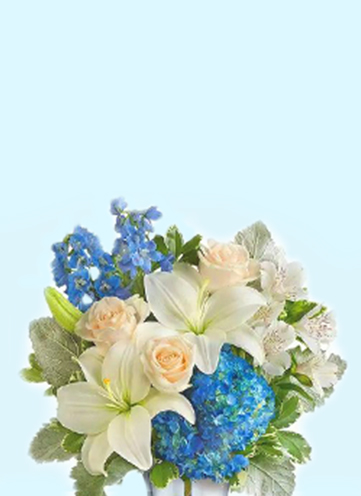
Mastering the Art of Keeping Hydrangeas Beautiful
Posted on 21/08/2025
Mastering the Art of Keeping Hydrangeas Beautiful
Hydrangeas are among the most beloved and stunning flowering shrubs found in gardens worldwide. Their lush blooms, impressive foliage, and wide array of colors make them a favorite for both novice and experienced gardeners alike. However, to truly master the art of keeping hydrangeas beautiful, one must understand their unique requirements. Unlock the secrets to vibrant, breathtaking hydrangeas with this comprehensive, SEO-optimized guide!

Understanding the Unique Beauty of Hydrangeas
Before diving into care tips, it's essential to appreciate the unique charm and significance of hydrangeas. These exquisite blooms--ranging from vivid blues to soft pinks and creamy whites--represent gratitude, grace, and abundance. Their versatility allows them to complement traditional cottage gardens, contemporary landscapes, and everything in between.
- Latin Name: Hydrangea macrophylla (and other species)
- Common Varieties: Mophead, Lacecap, Panicle, Oakleaf, Climbing
- Color Range: Blue, pink, white, green, purple, red (dependant on soil pH for some types)
- Blooming Period: Late spring through autumn
Hydrangeas can be both a gardener's pride and challenge. Let's unravel the key practices that ensure long-lasting beauty and health for your plants.
Choosing the Right Hydrangea Variety
Know Your Species
There are several main hydrangea varieties, and each has unique care requirements. Picking a suitable species for your climate and garden design is the first step in mastering hydrangea care.
- Bigleaf Hydrangeas (Hydrangea macrophylla): Best for zones 5-9, famous for color-changing blooms.
- Panicle Hydrangeas (Hydrangea paniculata): Hardy, tolerant of sun, produces large conical clusters.
- Oakleaf Hydrangeas (Hydrangea quercifolia): Noted for distinctive foliage and fall color.
- Climbing Hydrangea (Hydrangea anomala petiolaris): Ideal for walls and trellises, with lacey blooms.
- Mountain Hydrangea (Hydrangea serrata): Compact size, similar in care to bigleaf varieties.
Research the species and cultivars best suited to your region's climate and your garden's unique conditions to maximize success.
Essential Steps for Keeping Hydrangeas Beautiful
1. Selecting the Ideal Location
Hydrangeas thrive when planted in the right spot. Choose a location that balances sunlight and shade. Most varieties perform best with morning sun and afternoon shade, particularly in hotter climates. Too much direct midday sun may scorch leaves and blooms, while deep shade can limit flowering.
- Bigleaf and Oakleaf: Prefer dappled sunlight or partial shade.
- Panicle and Smooth hydrangeas: Tolerate and may even require more sunlight.
2. Preparing the Soil for Hydrangeas
Healthy, nutrient-rich soil is the foundation for beautiful hydrangeas. These shrubs prefer well-draining soil that's rich in organic matter.
- Test your soil: Hydrangeas like slightly acidic conditions (pH 5.5 - 6.5 for most, though some can adapt to neutral).
- Amend as needed: Add compost, peat moss, or well-rotted manure to boost organic content.
- Ensure drainage: Hydrangeas hate wet feet; consider raised beds or hills in heavy clay soil.
3. Watering: The Key to Lush Blooms
Understanding how and when to water hydrangeas is crucial. While these shrubs need consistent moisture, they are susceptible to root rot if overwatered.
- Keep soil moist: Maintain steady moisture, especially during the heat of summer and during bloom production.
- Morning watering: Water at the base early in the day to minimize disease.
- Mulching: A 2-3 inch layer of mulch helps conserve moisture and regulate temperature.
Tip: If leaves wilt during the day but recover by evening, hydration is adequate. Persistent droop signals dehydration.
4. Feeding Hydrangeas for Maximum Beauty
For stunning blooms and vibrant foliage, feed your hydrangeas in moderation. Over-fertilizing can lead to lush leaves but few flowers.
- Apply a balanced, slow-release fertilizer in spring: Look for formulas like 10-10-10 or 14-14-14.
- Avoid high-nitrogen products: Too much nitrogen encourages leaf growth at the expense of blooms.
- Supplemental feeding: Light application in mid-summer can enhance flowering if growth appears weak.
Organic feed options like compost tea and fish emulsion provide gentle, nutritious boosts.
5. Pruning Hydrangeas for Lasting Beauty
Knowing when--and how--to prune hydrangeas depends on the variety.
- Bigleaf & Mountain Hydrangeas: Bloom on old wood; prune immediately after flowering. Only remove spent blooms and dead wood.
- Panicle & Smooth Hydrangeas: Bloom on new wood; prune in late winter or early spring for abundant flowers.
- Oakleaf Hydrangeas: Minimal pruning required; focus on removing dead wood post-bloom.
Incorrect pruning is a common cause of poor flowering. When in doubt, prune less!
6. Protecting Against Pests and Diseases
While hydrangeas are generally hardy, a few common issues can threaten their hung longevity and beauty.
- Aphids, spider mites, and scale: Use insecticidal soap or neem oil to control pests.
- Powdery mildew and leaf spot: Ensure good airflow, water at soil level, and remove infected leaves promptly.
- Slugs and snails: Handpick or use safe barriers like crushed eggshells or copper tape.
Healthy hydrangeas resist disease more effectively, so focus on proper cultural care to minimize problems.
Changing Hydrangea Color: An Artful Touch
One of the most intriguing aspects of hydrangea care--especially for Hydrangea macrophylla--is the ability to change bloom color by manipulating soil pH. This doesn't apply to all hydrangea species, but it's a fun trick for many!
- Blue Blooms: Grow in acidic soil (pH 5.2-5.5). Add aluminum sulfate to soil.
- Pink Blooms: Grow in neutral to alkaline soil (pH 6.0+). Add lime or dolomitic lime to soil.
- White Hydrangeas: Usually unaffected by soil pH.
Remember: Soil amendments take time (weeks to months) and must be applied with care.
Overwintering Hydrangeas for Perennial Beauty
Proper winter protection is essential to ensure your hydrangeas remain beautiful year after year.
- Zone Hardiness: Consult plant tags and research your hydrangea type for winter hardiness.
- Mulching: Apply a thick (4-6 inch) mulch layer around the base in late fall to insulate roots.
- Burlap Wrapping: In cold climates, wrap bushes with burlap to protect buds from freeze and windburn.
- Container Hydrangeas: Move pots to sheltered locations or bury pots in the ground for added protection.
Advanced Tips: Hydrangea Design and Arrangement
Using Hydrangeas in Landscape Design
- Foundation Planting: Stunning against the house or fences, hydrangeas create a soft, romantic look.
- Mixed Borders: Combine with perennials and evergreens for year-round interest.
- Accent Specimens: Use large hydrangea varieties as focal points in garden beds.
- Potted Hydrangeas: Brighten patios and entryways; easy to move and manage.
Cutting and Arranging Hydrangeas Indoors
Enjoy hydrangeas in your home as well! Here's how to keep cut hydrangeas fresh and beautiful:
- Early morning harvest: Cut when blooms are fully developed but not fading.
- Immediate hydration: Place stems in water right after cutting.
- Water preparation: Use warm water and add a floral preservative if available.
- Stem conditioning: Smash or make a vertical cut up the stem's base to aid water uptake.
- Placement: Avoid direct sunlight or heat inside the home.
For dried arrangements, let blooms age on the plant, then cut and hang them upside down in a cool, dark space.
Troubleshooting Common Hydrangea Problems
Why Isn't My Hydrangea Blooming?
- Improper Pruning: Pruning at the wrong time removes next season's flower buds. Know your hydrangea type!
- Excessive Nitrogen: Too much fertilizer, especially high in nitrogen, results in leaves but no blooms.
- Cold Damage: Late spring frosts can kill buds; use covers if spring weather is unstable.
- Shade: Too much shade hinders flower production; ensure a balance of light and protection.
Managing Leaf Spot and Powdery Mildew
- Avoid overhead watering to keep foliage dry.
- Space plants properly for good air circulation.
- Remove and destroy any affected leaves in autumn to prevent reinfection.
Battle Against Browning Leaves
- Water stress: Ensure steady moisture; extreme dryness causes leaf burn.
- Sunburn: Move or protect plants getting too much midday sun.
- Chlorosis: Pale, yellow leaves may signal iron deficiency (common in alkaline soils).

Hydrangea Myths & Quick FAQs
- Myth: "All hydrangeas can change color."
Fact: Only some (macrophylla and serrata) actually do! - Myth: "Hydrangeas require constant pruning."
Fact: Many varieties perform best with minimal pruning. - Q: "Can I grow hydrangeas in pots?"
A: Absolutely! Just ensure good soil, drainage, and winter protection.
Conclusion: Becoming a Hydrangea Master
Mastering the art of keeping hydrangeas beautiful revolves around understanding their needs and responding to their unique cues. From choosing the right species and site, through meticulous watering and feeding routines, to thoughtful pruning and winter care, every step fosters resilient and spectacular plants. Enjoy the rewards of bountiful, colorful blooms year after year by following these expert tips and taking the time to truly connect with your hydrangeas.
Happy gardening, and may your hydrangeas remain both healthy and dazzling!
Latest Posts
Mastering the Art of Keeping Hydrangeas Beautiful
Secrets to Keeping Your Poinsettias Vibrant and Fresh
Ultimate Tips for Beautiful Orchid Blooms